


NEWS
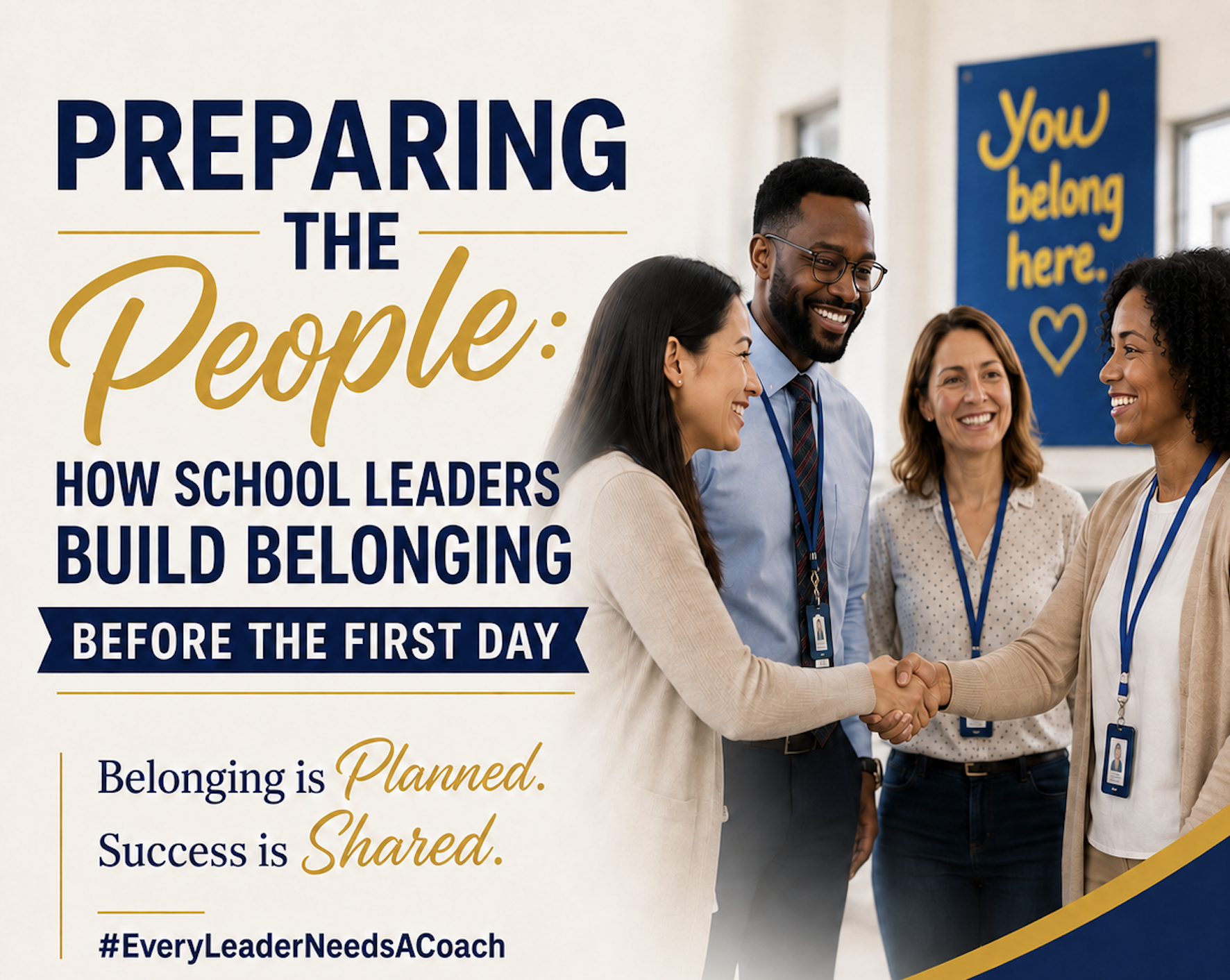
Preparing the People: How School Leaders Build Belonging Before the First Day
Before the first bell rings, teachers, students, and families are already deciding whether they feel welcomed, supported, and connected. School leaders can shape those early impressions by creating purposeful staff welcomes, structured mentorship, and clear systems of support. When belonging is planned with the same care as schedules and instruction, people enter the school year with greater confidence and a stronger sense of shared purpose.

Great Schools Are Built Before the First Bell Rings
July isn't just another month on the calendar, it's the foundation for an exceptional school year. Learn how reviewing curriculum, strengthening instruction, and aligning systems before students arrive creates momentum that lasts all year. Preparation today leads to student success tomorrow. #EveryLeaderNeedsACoach
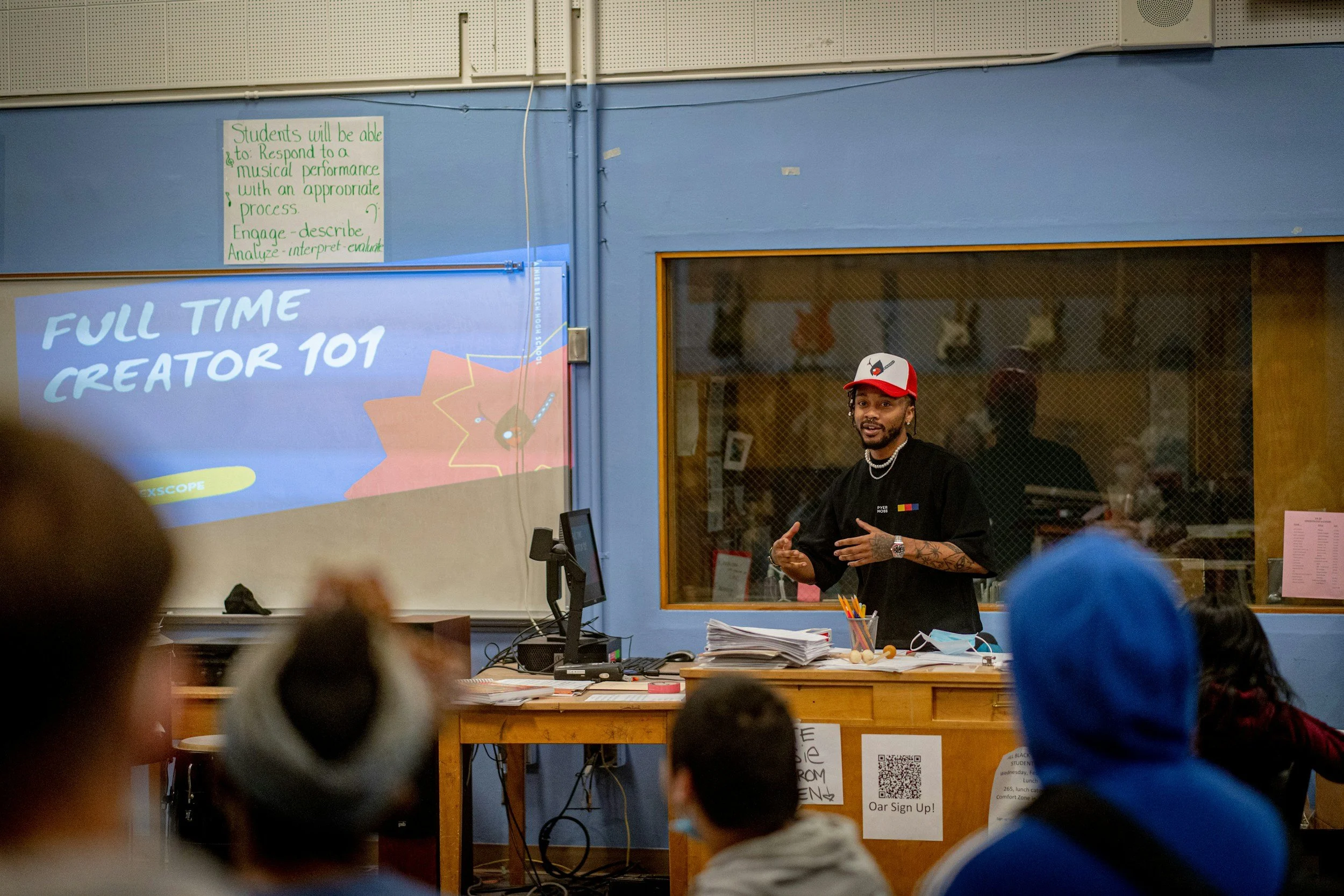
Stop Managing Problems, Start Solving Them: The Leadership Shift Every School Needs Right Now
Every school faces challenges, but high-performing school leaders separate themselves by how they respond. Instead of managing symptoms, they identify root causes and build systems that drive lasting change. This blog challenges school and district leaders to rethink their approach to problem-solving by using data, intentional planning, and strategic focus on student achievement and student experiences. Learn how to move from reactive leadership to solution-driven leadership, define your Big Rocks, and implement sustainable systems that ensure progress. If you are ready to lead with clarity, purpose, and results, this is your blueprint.

“Are You Leading Forward or Repeating the Past? The Leadership Reflection That Determines Next Year’s Success”
As the school year ends, the most effective school leaders know that success next year is not determined by what happens in August, but by the intentional reflection that takes place in June. Too often, leaders rush into planning without fully understanding what worked, what failed, and why. In this thought-provoking post, discover how structured reflection, data analysis, and stakeholder feedback can help you identify your 3–4 “Big Buckets,” sharpen your focus on student achievement and student experiences, and build a clear, intentional path forward. If you are ready to stop repeating cycles and start leading with purpose, this is the leadership shift your school needs.
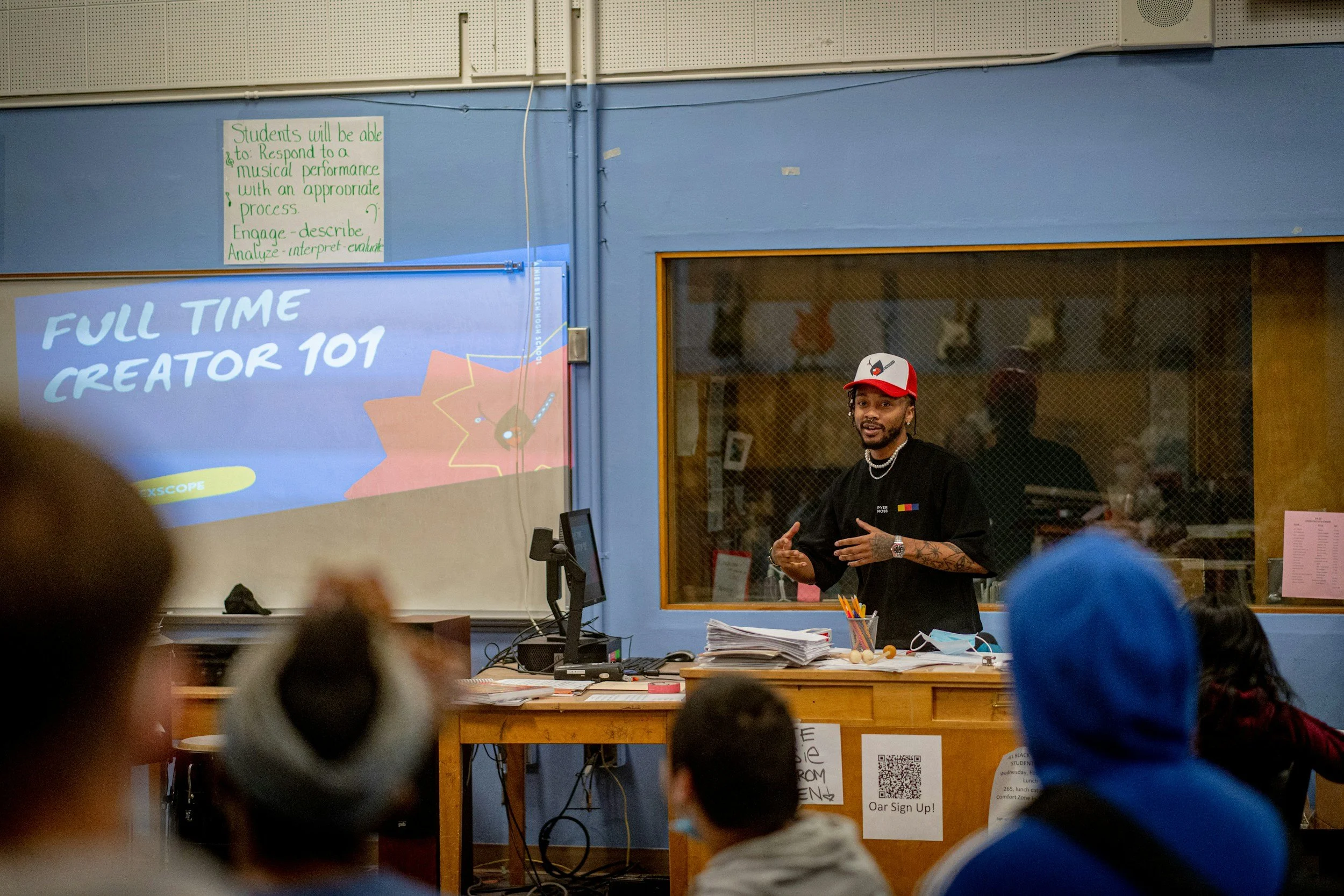
From Experiment to Expectation: Making Student Innovation Part of the School’s DNA
April is where innovation becomes expectation. When students create, collaborate, and solve real problems, learning moves from compliance to capability.

April Is Not a Pause: Using Innovation Now While Preparing for What’s Next
April is not a slowdown, it’s a setup. As Spring Break approaches and leaders plan ahead, innovation now becomes the blueprint for a stronger next school year.
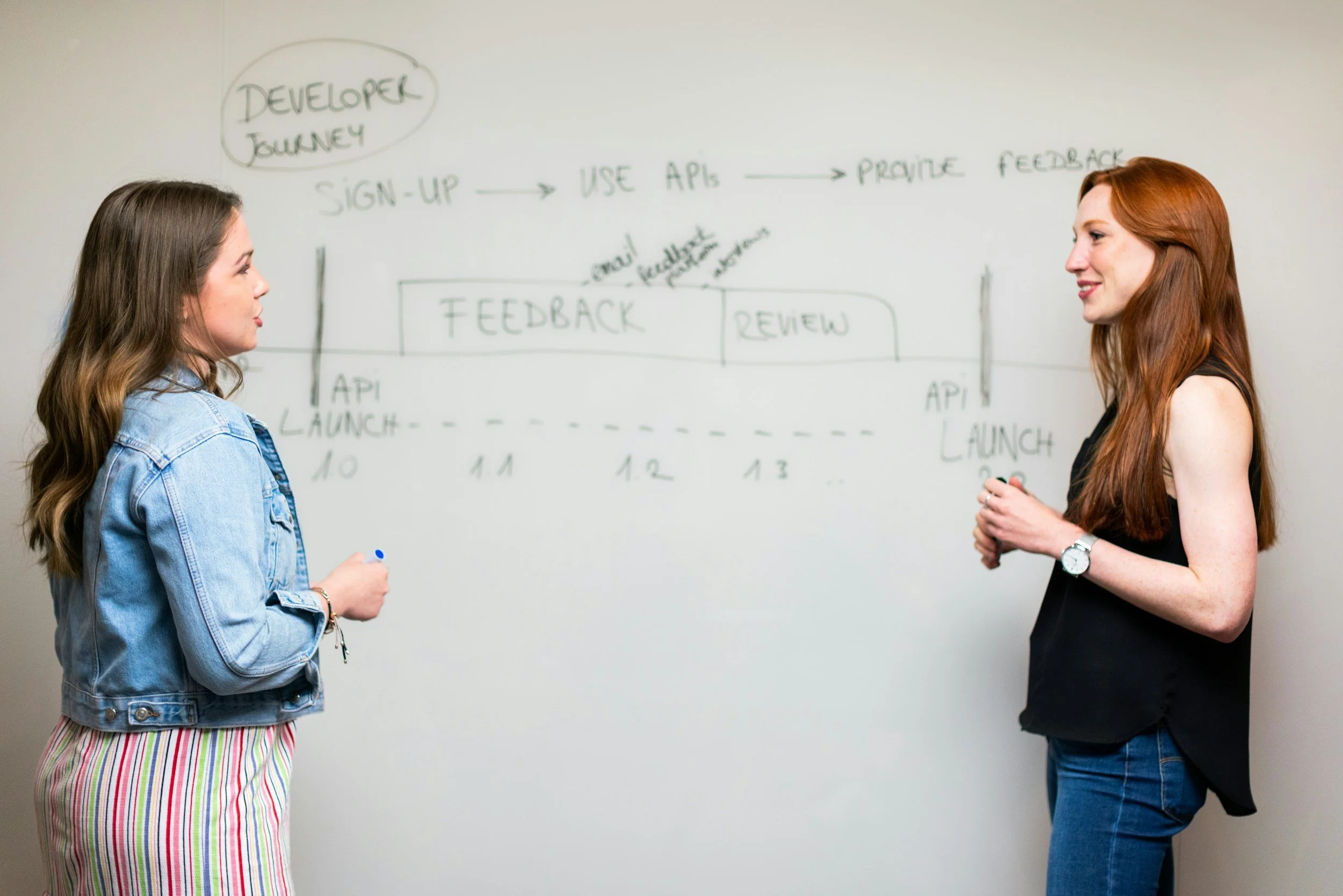
From Change Fatigue to Change Fitness: A February Playbook for Teacher Resilience
Turn change fatigue into change fitness by building resilience through targeted PD, accessible well‑being supports, transparent change management, and public celebration of progress. Use PLCs to turn setbacks into strategies and sustain momentum through consistent leader checkins. Normalize iteration, lead with adaptability, and create clear communication channels that help teachers navigate change with confidence. Resilience is teachable, so strengthen it intentionally and track evidence of improved well‑being and instructional rigor by the end of March.
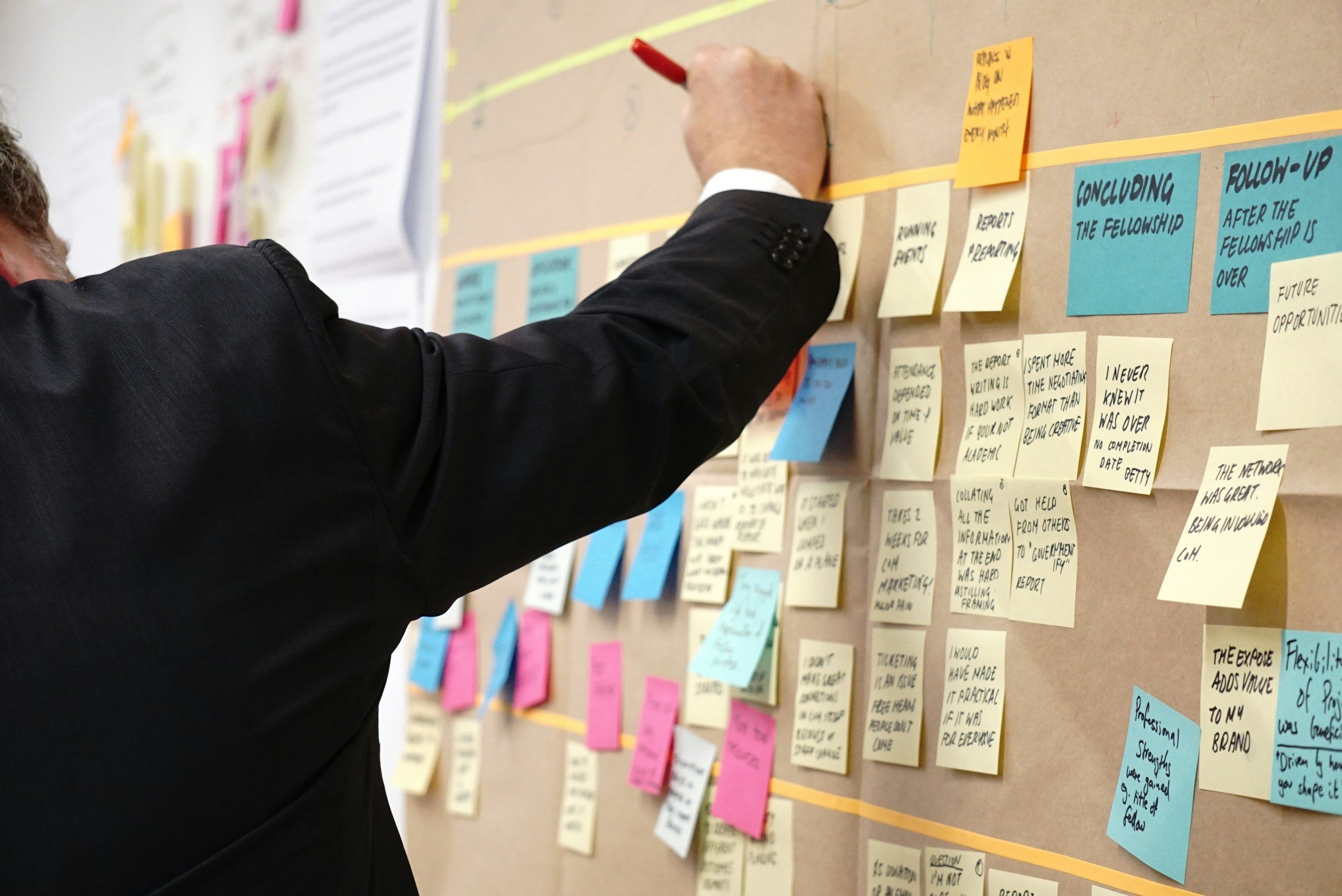
Care & Challenge: Building a Supportive Staff Community Without Lowering the Bar
In February, don’t lower the bar, strengthen the net. Build supportive PLCs, offer targeted PD on resilience, and communicate openly so teachers can sustain rigor without burning out. Provide accessible well‑being resources, teach coping strategies, and celebrate resilience publicly to reinforce what’s working. Involve teachers in decisions, model adaptability as a leader, and treat care and challenge(s) as complementary forces. Then track evidence of improved well‑being and instruction to measure impact by March 31.

From Goals to Grit: Building a Resilient School Culture in January
January is where goals meet grit. Teach goal‑setting as a repeatable skill, build coping and problem‑solving strategies into daily routines, and normalize setbacks as data. Create communities of support and celebrate growth so persistence becomes contagious. Pick one mindset shift and track its impact for 90 days.

Reset the Game Plan: Turning Midyear Momentum into Measurable Wins
Midyear isn’t a pause, it’s your power‑up. Use a quick RAG review to reset what matters, set second‑half SMART goals, and make a growth mindset visible daily. Build resilience systems (not just slogans) and scale small wins through weekly celebrations. Start with one targeted mindset shift and define how you’ll measure its impact over 90 days.